


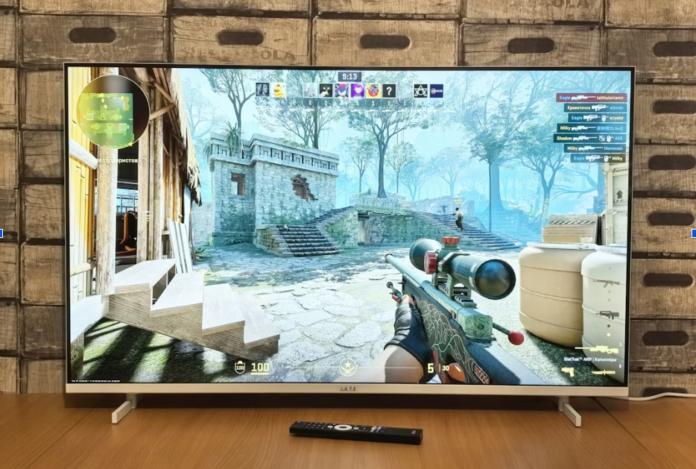
Your aim sucks. And that’s okay.
Most players never get past the „spray and pray“ phase. They blame their hardware, their internet, maybe even their teammates. But here’s the truth: aim is a skill you can train.
The average player spends 300+ hours in competitive shooters before seeing real improvement. That’s because they’re practicing wrong.
This guide shows you how pros actually train their aim, using methods backed by esports coaches and performance data from 2025-2026. No gimmicks, no shortcuts—just what works.
Why Most Aim Training Fails
You’ve probably tried aim training before. Downloaded Aim Lab, clicked some dots for 20 minutes, then jumped into ranked.
Three weeks later, your accuracy stats looked identical.
The problem? Random practice doesn’t translate to real games. Your brain needs specific, progressive training that mirrors actual combat scenarios.
Think about it. Basketball players don’t just shoot from random spots on the court. They practice specific shots they’ll use in games. Same principle applies here.
The Foundation: Mouse Sensitivity and Hardware
Before we dive into training, let’s talk about your setup.
Professional players use surprisingly low sensitivity settings. The average pro Valorant player uses 280 eDPI (DPI multiplied by in-game sensitivity). That’s way lower than most casual players.
Why? Lower sensitivity gives you finer control. You’re trading quick 180s for precise headshots.
Here’s what you need to check first:
Your mouse DPI should be between 400-800. Higher isn’t better. Most gaming mice default to 1600+ DPI, which is too sensitive for precision.
Disable mouse acceleration completely. Windows has it enabled by default. Turn it off in your mouse settings and in-game. You want 1:1 movement ratio.
Get a proper mousepad. You need at least 450mm of horizontal space. Those tiny pads kill your potential.
Once your hardware is sorted, you can actually start making progress.
Aim Training Tools That Actually Work
The two platforms that matter are Aim Lab and Kovaak’s. Both are proven, both work.
Aim Lab is free and has better tracking of your progress over time. Kovaak’s costs $10 but has more scenario variety.
Pick one and stick with it for at least 30 days. Switching between tools resets your baseline metrics.
Here’s the training protocol that top coaches recommend:
Week 1-2: Static Clicking
Start with gridshot or similar static target exercises. Your goal is building mouse control and developing muscle memory.
Train for 15 minutes daily. Track your accuracy percentage, not just speed. Hitting 85%+ accuracy consistently means you’re ready to progress.
Week 3-4: Tracking
Switch to tracking scenarios where you follow moving targets. This builds the smoothness needed for tracking enemies who strafe.
Thin Gauntlet and Popcorn scenarios work best. Again, 15 minutes daily, focusing on maintaining crosshair placement.
Week 5-6: Target Switching
Now you’re combining everything. Practice flicking between multiple targets quickly while maintaining accuracy.
1wall6targets and similar scenarios train the pattern recognition your brain uses during actual firefights.
The key is consistency. Missing one day destroys three days of progress. Your muscle memory needs daily reinforcement.
Game-Specific Aim Training
Generic aim trainers help, but they’re not enough.
You need to practice in the actual game you’re trying to improve at. The movement speed, character models, and audio cues are all different.
For Valorant, spend 20 minutes in the range before ranked. Practice the sheriff-only challenge until you can complete it in under 30 seconds.
For Call of Duty, use private matches to practice pre-aiming common angles. Record yourself and watch where your crosshair rests between gunfights.
CS2 players should use workshop maps like training_aim_csgo2. The community has built hundreds of aim training scenarios.
Some players look for easier paths. Platforms like Battlelog offer aim assistance tools, but they come with obvious risks and can’t replace genuine skill development.
The Mental Game of Aiming
Your physical ability is only half the equation.
Tilt destroys aim faster than anything else. When you’re frustrated, your mouse movements become erratic. You overcorrect, you rush shots, you panic spray.
Top players use a simple reset technique: After every death, take one deep breath before respawning. Sounds basic, but it works.
Your focus drops after about 45 minutes of intense gameplay. That’s when your flicks start missing and your reaction time slows.
Take breaks. Seriously. Five minutes of rest every hour will improve your session average more than grinding through fatigue.
Crosshair Placement Changes Everything
Here’s something most guides skip: Good crosshair placement reduces the aim adjustment you need by 70%.
Watch any pro player’s VOD. Their crosshair is always at head level, always pre-aimed at common angles.
They’re not reacting faster than you. They’re just starting from the right position.
Practice this in death match. Force yourself to keep your crosshair at head height even when clearing empty angles. It feels weird at first.
After two weeks, it becomes automatic. Your brain starts calculating head height positions without conscious thought.
Tracking Your Progress
You can’t improve what you don’t measure.
Most aim trainers have built-in analytics. Check your scores weekly, not daily. Daily variance is too high to mean anything.
For in-game stats, use tracker.gg or similar platforms. Focus on headshot percentage rather than K/D ratio.
Your headshot percentage should increase 2-3% per month with consistent training. If it’s not moving, your practice method isn’t working.
Common Mistakes to Avoid
Don’t change your sensitivity constantly. Pick one and live with it for at least three months.
Don’t practice only your strengths. If you’re good at flicking but bad at tracking, spend 70% of your training time on tracking.
Don’t skip warmup. Even pros spend 20-30 minutes warming up before serious play.
Your aim won’t improve linearly. You’ll plateau, sometimes for weeks. That’s normal. Keep training through it.
The Reality Check
Building elite aim takes 6-12 months of daily practice.
There’s no shortcut, no secret setting, no magic mouse that makes you instantly better. The players dominating your lobbies put in the hours.
But here’s the good news: Most of your competition won’t do this. They’ll keep blaming their gear, keep switching sensitivity settings, keep looking for easy answers.
Put in the work, and you’ll surpass 80% of players in three months.
Start today. Fifteen minutes of deliberate practice. That’s all you need to begin.